Tesla Model Y Juniper Buyers Guide
Last updated 14-Oct-2025
The Tesla Model Y Juniper is the updated version of the Model Y and introduced in 2025. It includes a number of welcome updates to the older Model Y, especially with respect to the suspension, although this is variant specific. Tesle have introduced Standard and Premium trims, which might be better described as budget and regular, as the Premium trim is essentially the same as the car prior to the introduction of the Standard Trim. We're discuss this more later.
Tesla have also introduced a L (or Long) version of the Model Y with 6 seats split over three rows. This is only available in some markets, but is a much better place to sit if you're the 6th person compared to the 7 seat version of the regular Model Y.
First a bit of background. The original Model Y was launched in 2020 and has become the top selling car in the Tesla lineup. It is made in numerous factories including two in the US, Germany and China. The design inherited and learnt from the Model 3 with a more resolved interior and some engineering enhancements compared to earlier Model 3 versions. The Model 3 was revamped a year ago as the Model 3 Highland, although neither Juniper or Highland are terms Tesla wish to publiocally recognise.
The outgoing Model Y was not without its issues. Primarily these relate to the suspension which many found too hard and unsophisticated. It also allowed noise ingress into the cabin. Whilst on good road surfaces it was ok, it didn't like poor road surfaces at all. Tesla altered the suspension a number of times by adjusting the springs and dampers, but the problem has never been completely eradicated.
The Juniper version was introduced as a Launch Spec edition with many options included as standard. It was essentially a Long Range AWD model with acceleration boost, tow bar and some cosmetic tweaks. Tesla have now progressed to quite a comprehensive range of models across various price points through the introduction of a Standard (lower) spec car, a Premium spec car, regular range battery as well as the Long range and performance, and both RWD and AWD, although not all combinations are available.
Exterior
Tesla have always been keen to follow a house style and whilst many of the interior changes are familiar, there are some new details not really seen before.
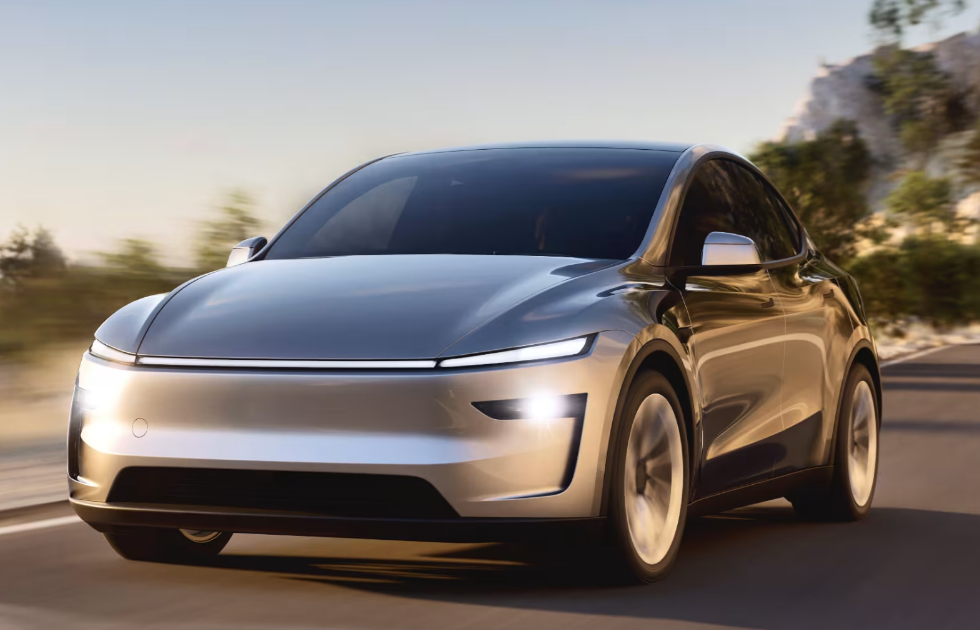
The key visual changes revolve around the merging of Cybertruck front light bar with the familiar face of the outgoing model. The front lights are now split into the light bar across the whole front on the premium variants, reminisent of the Cybertruck. This provides the day time running lights. There are further individual light units on each side which provide the main beam units. The design is very reminiscent to just about every other EVs that is on the market. The change does create a more rectangular front compared to the slightly bulbous appearance of the previous car and is a larger departure than normal for a mid life update. Many felt the outgoing model was, to be frank, ugly from the front. Whilst the face echos the cybertruck, it is a departure from the house style of the car line up which is somewhat surprising so soon after the Highland Model 3 update.
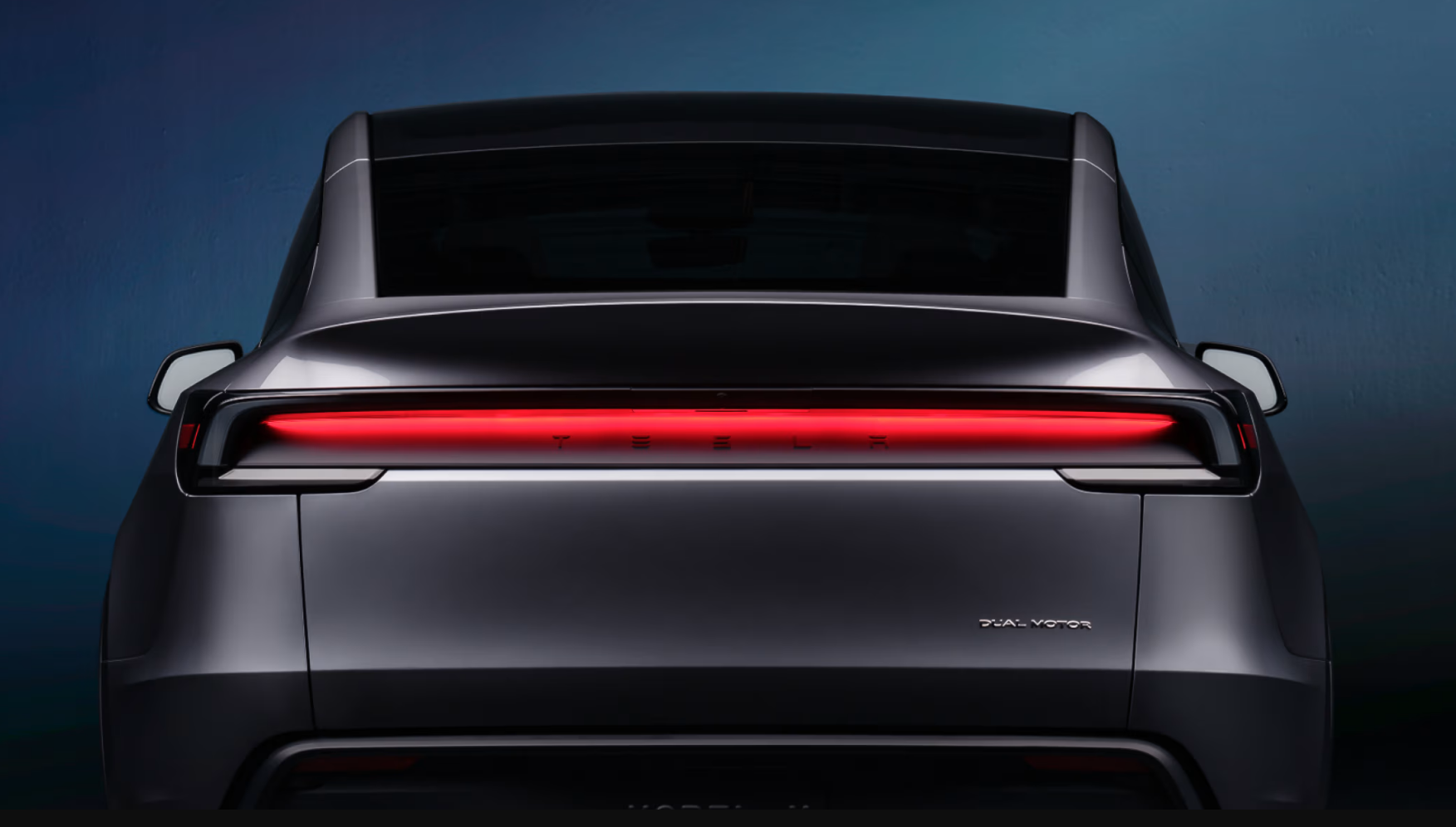
The rear is more slab sided than before with little detail to break up the appearance. The numberplate position has dropped to within the bumper element, and this is now split and pretrudes further behind the car than the boot making accident damage easier to deal with. The overall impact is to create an expanse of bodywork, saved only by the light bar at the top and in many ways we feel it resembles rear of current Range Rover cars. The lights, like the Model 3 Highland, extend past the boot opening, rather than split to either side, but the big news is the light bar which we'll cover in a bit. There are also some smaller detail changes. The tailgate bodywork is in more than one piece, and it now gives the opportunity to have an adjustable spoiler on the back of the car on the Performance Model. The glass has also been squared off. Overall, the design is more angular than before.
The rear light bar is not a light bar as we might imagine. Tesla say 'Our single, cross-car lamp is the first indirect reflective body panel taillight of its kind.', and from the profile picture it appears to comprise a notable overhang with the illumination pointing back/down towards the surface of car which is covered in a reflective strip. We can only presume that the design helps with the aero of the car because from some aspects it looks fairly awkward. Like the front light bar, a rear light bar as a feature is not new, and Tesla are following the market by adding these.
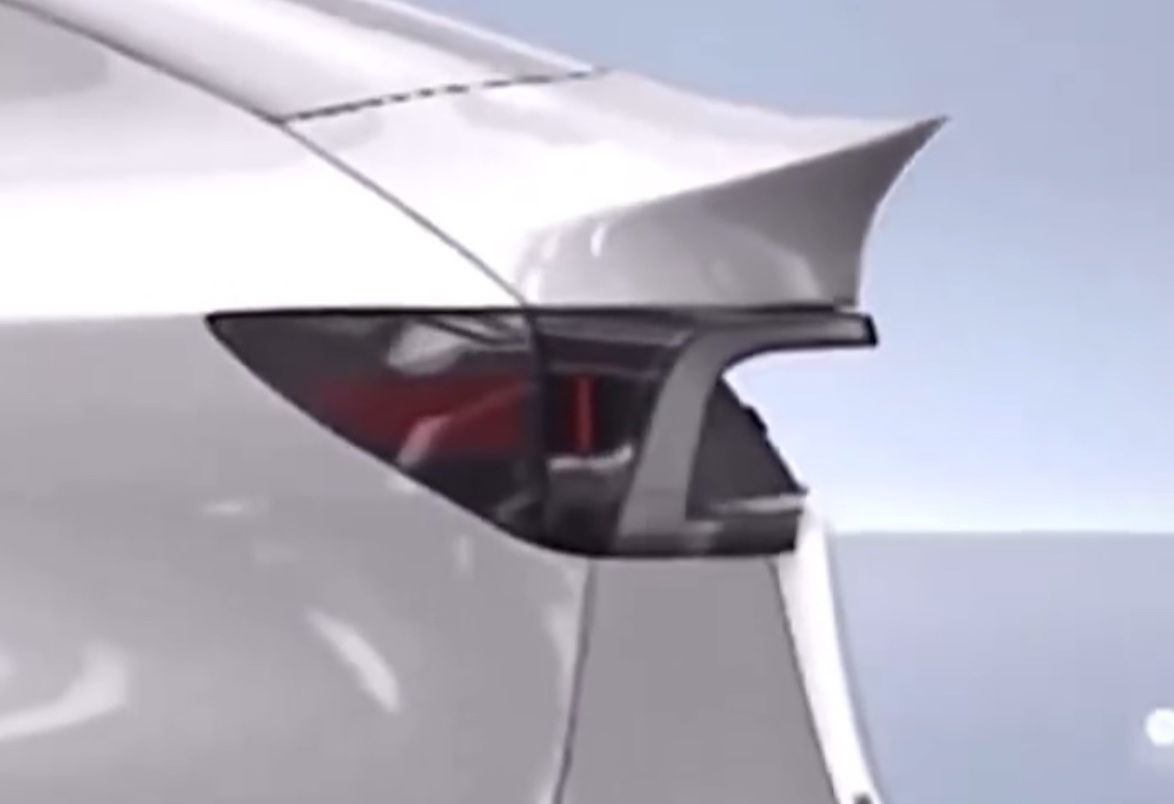
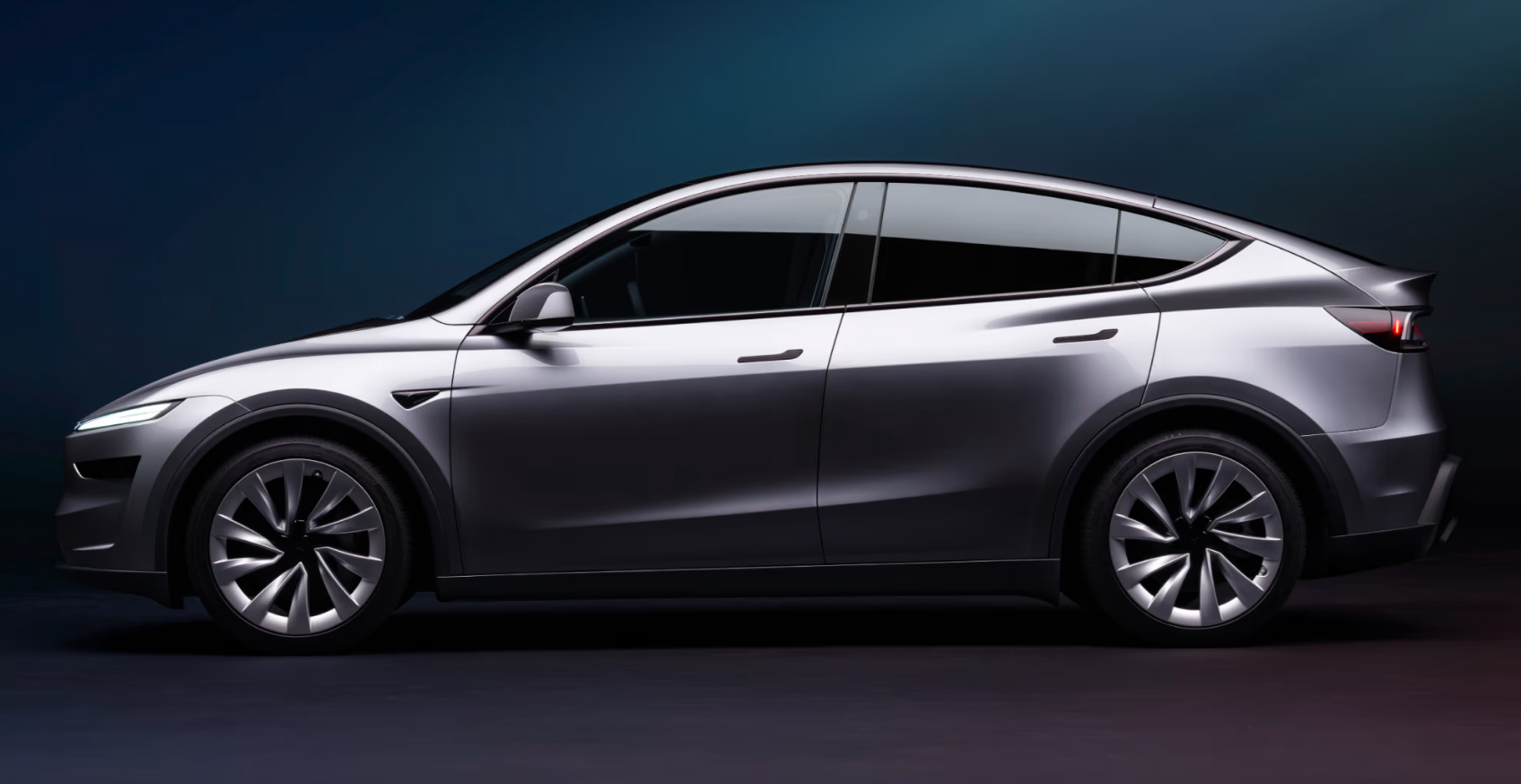
You could be forgiven for thinking there are no changes to the side profiles. The only notable change that we have detected is linked to the wheel arches. The previously large hard plastic inset piece lining the wheel arch has been replaced with a slightly thin unit and with a new profile. The side profile looks so similar to the outgoing model we are a little disappointed as it does not feel in keeping with the sharper and more aggressive changes to the front and rear. There are also wheel changes, but wheel design changes are not unusual.
We now have the introduction of double paned glass all round which will helop with acoustics and insulation. The car is a cm or so longer. We also have a new Glacier Blue colour which is lighter than the outgoing Deep Sea Blue. On the launch model, the choice of Paint is a no cost option.
Interior
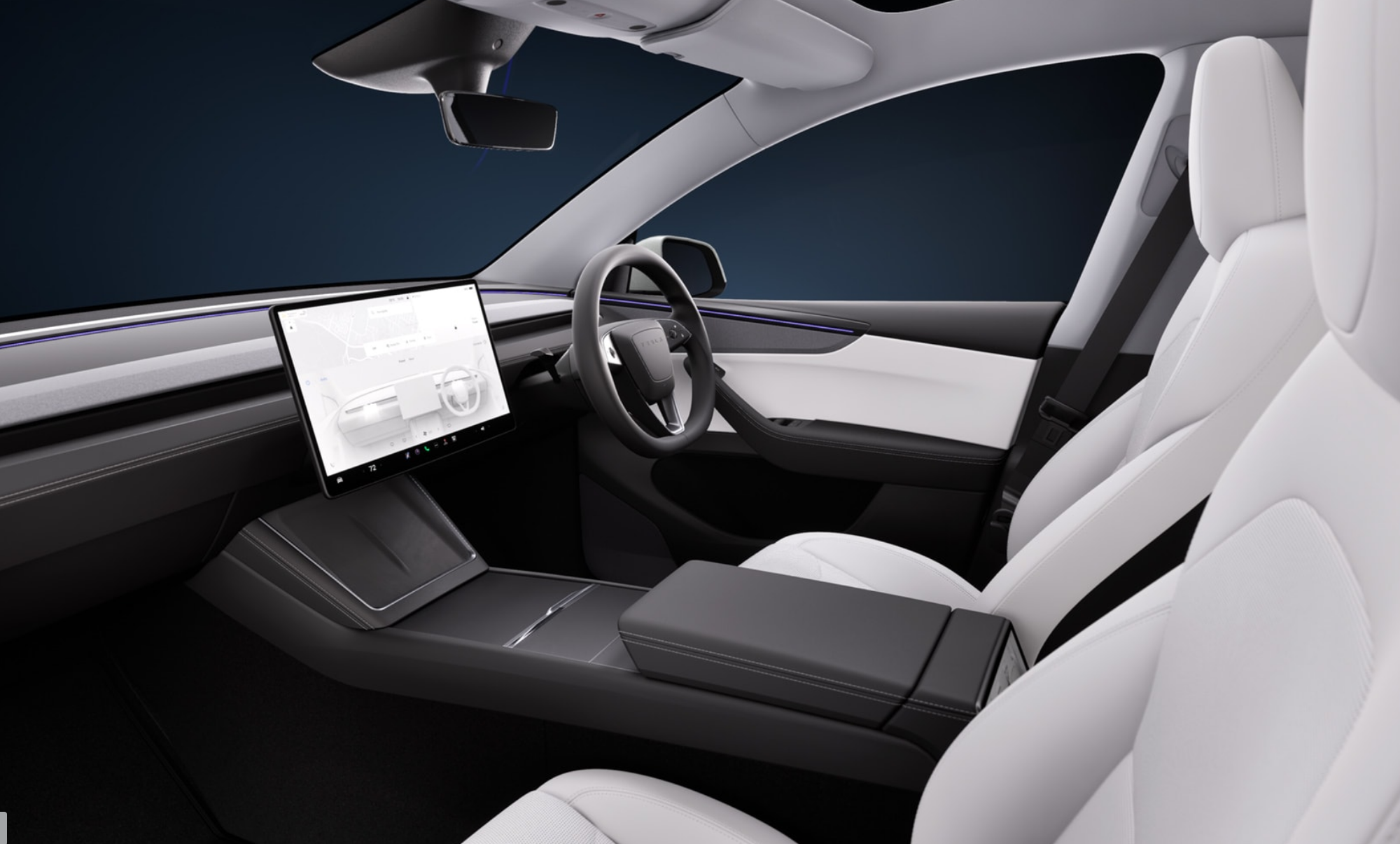
As expected much of the Model 3 changes have been carried over. The interior sees the introduction of more ambient lighting.
The one significant change from the current Tesla direction of travel has been the inclusion of an indicator stalk. The move to indicator buttons on the steering wheel has been the cause of much controversy and we've long held the belief the change could only have a negative impact on sales. As a result Tesla have retained an indicator stalk, claiming this is due to public opinion, however even though they have now also reverted to it on tyhe Model 3, they are still not admitting they got it wrong! They have still moved controls such as drive select to the screen.
Ventilated seats are, as expected, now here, with all seats being perforated and of a better quality than before, although only the front gets the ventilated capability. There is the expected rear screen whilst the front screen has also been tweaked with a thinner bezel in a similar way to the one in the Model 3 Highland. The screen position is however still fixed and can not be tilted towards the driver as some expected. They have also introduced powered folding rear seats which was unexpected, and the trunk overall has grown slightly in size. The rear seats also have a deeper seat base which should make them more comfortable.
The in car entertainment has gone through another iteration with further changes to the number of speakers. If the cabin is quieter, the sound quality should further improve, especially on quieter passages.
As we expected, and following the Model 3 Highland, claims of significantly improved sound deadening are part of the makeover. We're not quite convinced with the Tesla claim that it's a "reimagined cabin environment" as we've seen pretty much all of it before, but it's still welcome non the less.
Despite some so called "spy pictures" the steering wheel looks fairly traditional.
Premium v Standard versions
Tesla have introduced a lower specification version which they have called the Standard version. In practice this is more a budget version having removed many features, some of which are slightly unusal such as keeping the glass roof but covering it internally. The suspension is also more like the pre Juniper version which was notably poor. The seats are also now part fabric and we can feel the metal framework especially on the sides of the seat base. It is of course cheaper, and with competitive finance rates may make the car affordable to some when a new car would have been otherwise out of reach.
The Tesla Model Y L
Tesla have offered a 7 seat option on the Model Y for some years but the 3rd row has always been extremely compromised. In some markets they have now introduced a L or Long version, essentially a stretched Model Y long range, and the rear bench has been replaced with 2 captains/individual seats, with a further 2 as a 3rd row. Whilst this only gives 1 extra seat compared to the regular Model Y, many welcome the greater space and comfort of these seats and is reminiscent of the 6 seat Model X.
Conclusion
The Juniper Model is a notable uplift on the previous generation although we'd recommend caution if looking at the Standard specification car. You may find better value buying a late pre Juniper car if buying outright, although Tesla do offer attractive finance rates on the new car.